A few links to the tools and ingredients in this recipe are affiliate links, which may earn me a small commission at no extra cost to you.
The secret ingredient that makes this bone broth taste like it’s been simmering in a professional kitchen for days? A tin of anchovies. I know, anchovies on beef bones sounds like something that should not work. But hear me out, because this is the best bone broth I’ve ever made, and I’ve made a lot of bone broth. And no, before you ask, it does not taste fishy. Not even a little. The anchovies dissolve completely into the roast and become pure background umami, the same way a splash of fish sauce disappears. If you didn’t tell someone, they’d never know.
Jump to:
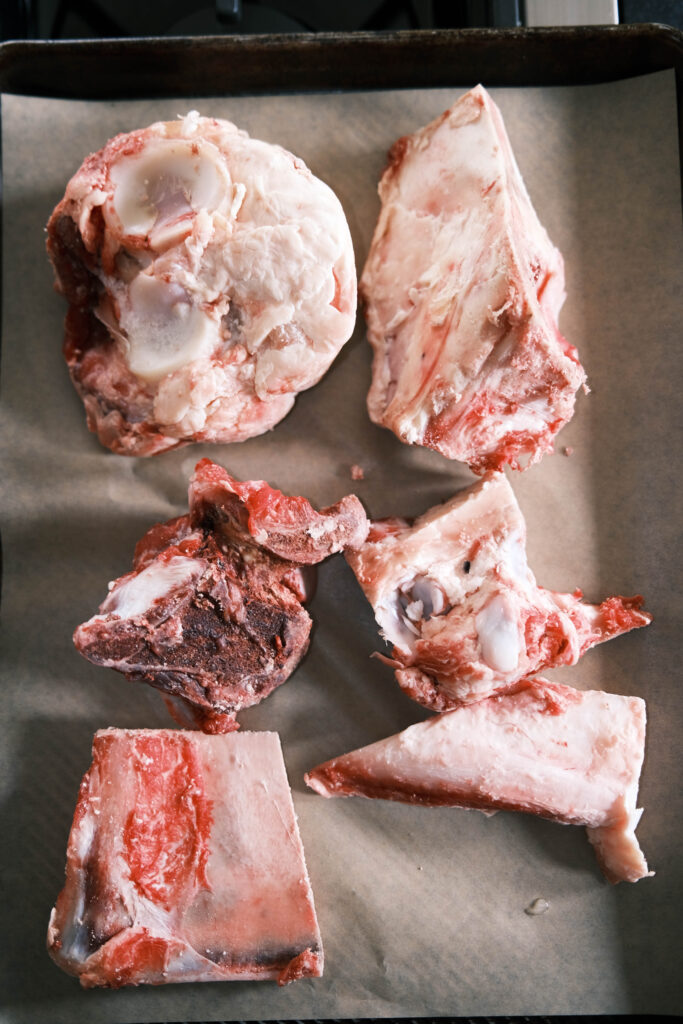
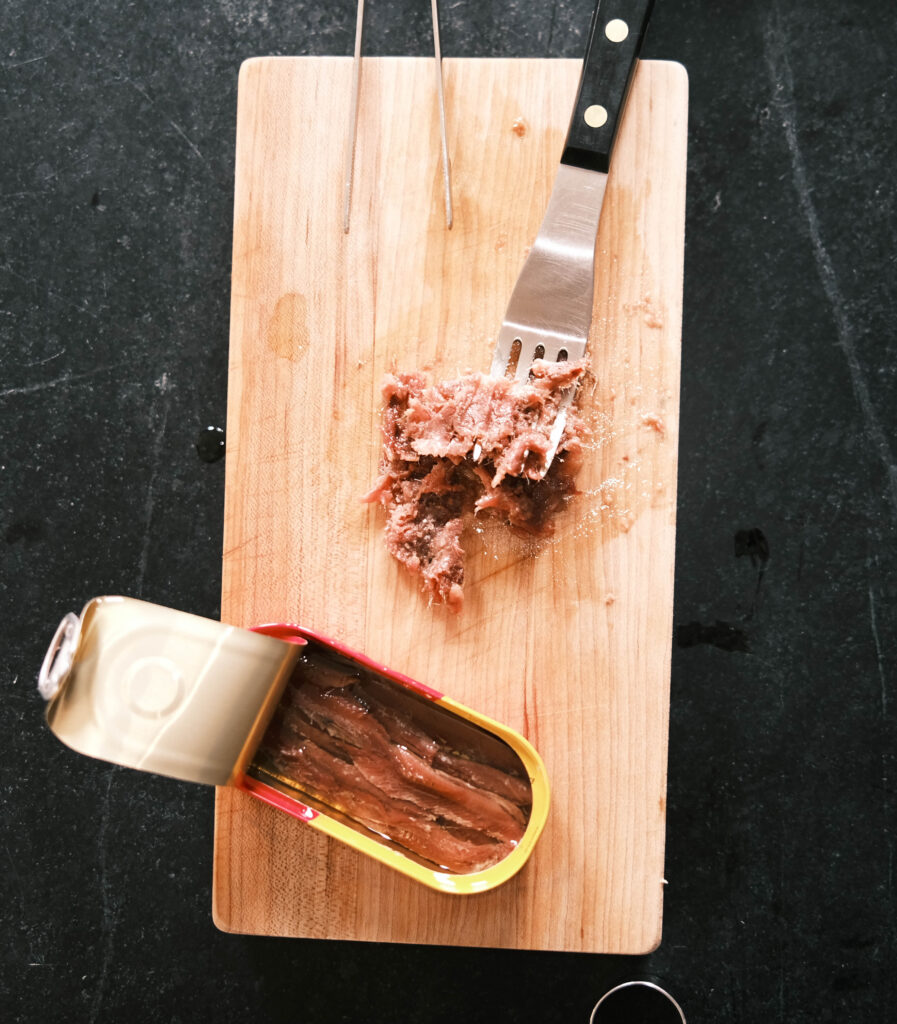
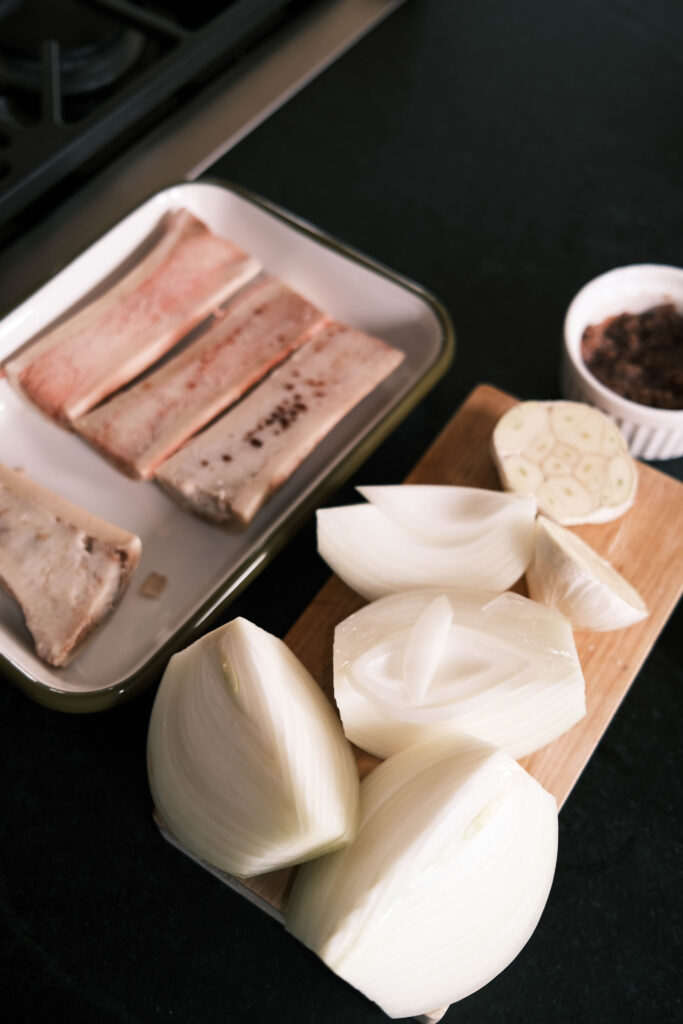
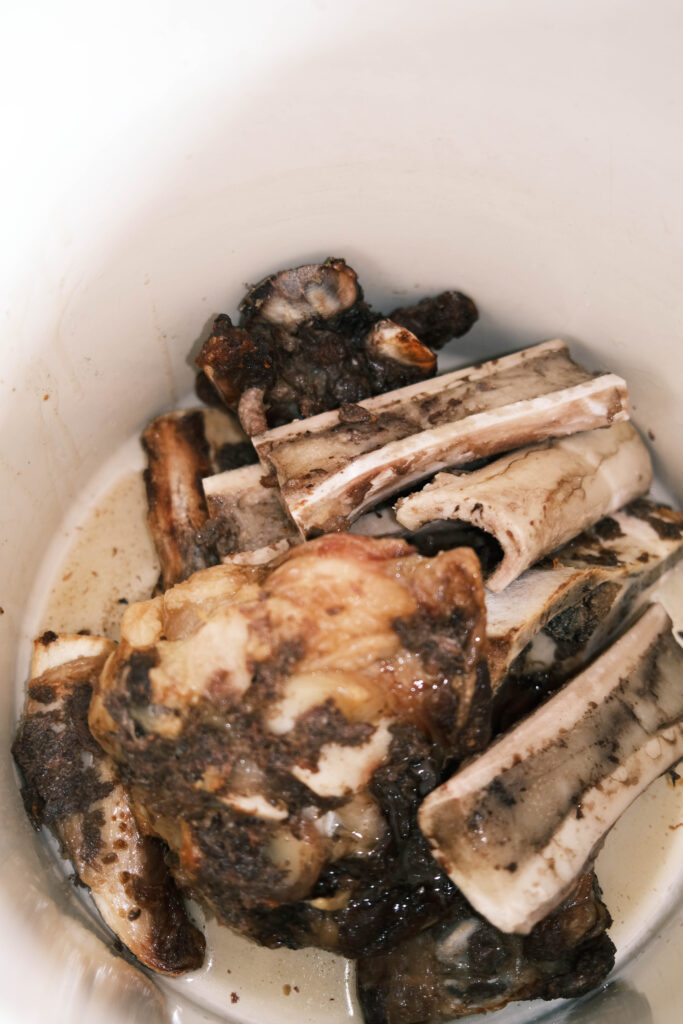
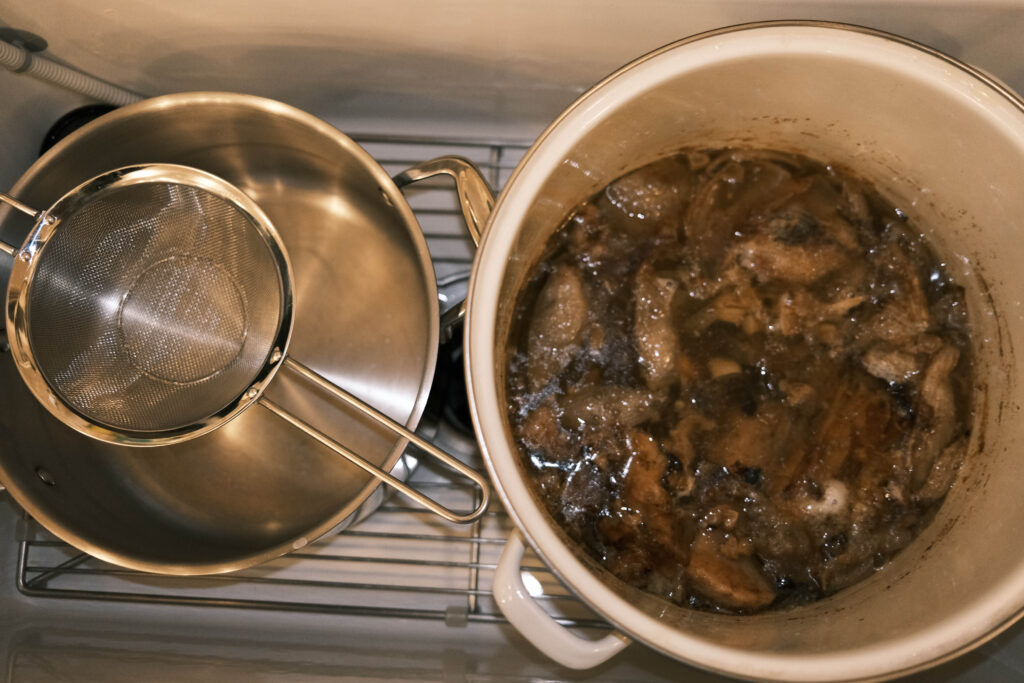
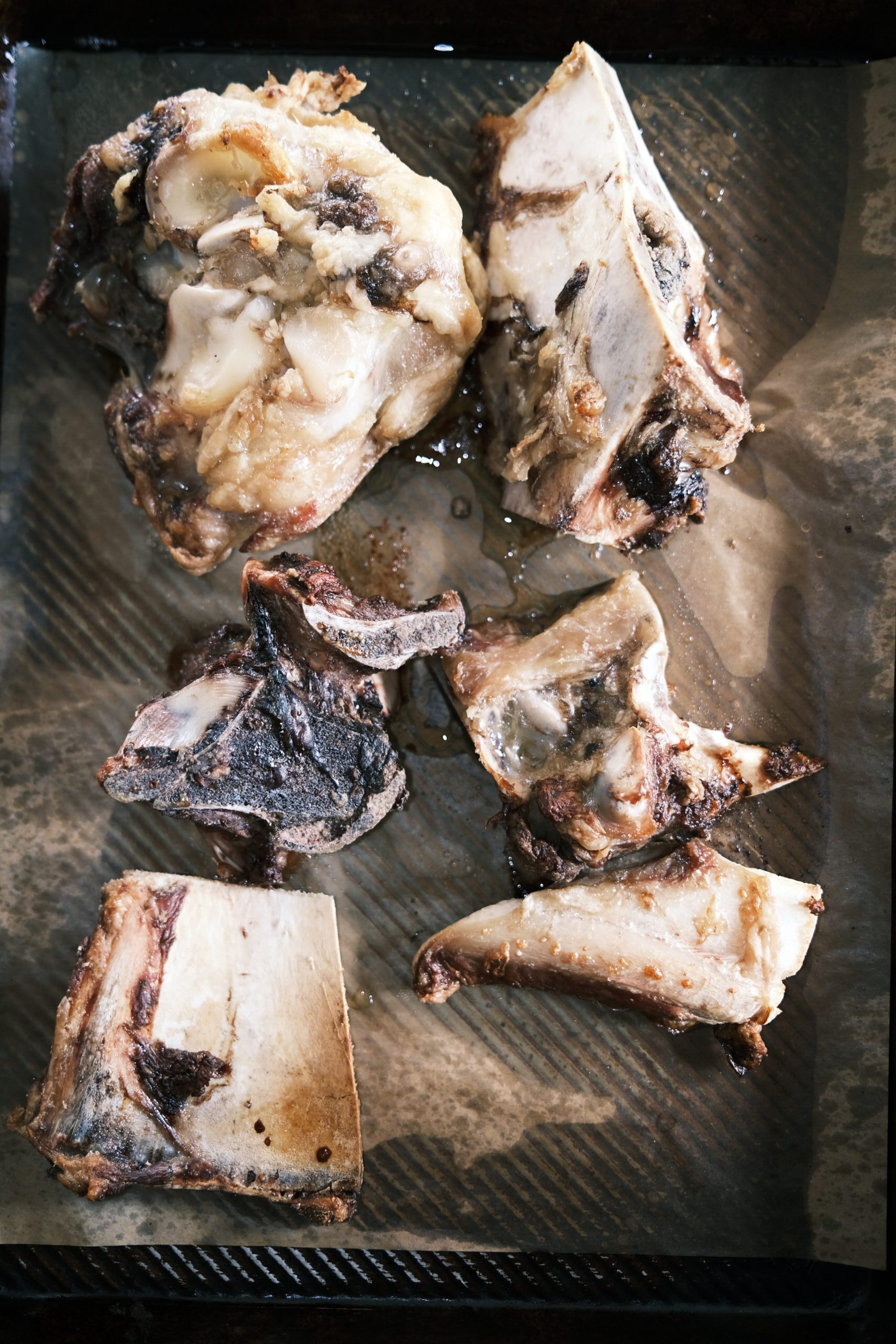
Here’s how it works: you roast your bones, rough-chopped onions and halved garlic at 425°F to build color and start rendering the marrow. Then you pull them out, rub them down with mashed anchovy fillets and a little of their oil and send everything back in at 400°F until the anchovy forms a sticky, lacquered, almost caramelized crust on the bones. It smells incredible. Then everything goes into a big stockpot with cold water and a splash of apple cider vinegar, and you let it do its thing for 10 to 14 hours on the lowest flame your stove will hold.
Subscribe
Join The Community Garden
More than a newsletter, this is the deeper story behind the seasons. Think exclusive recipes, urban gardening tips, personal updates, and the slow-living inspiration I don’t share anywhere else. Join Carmen In The Garden on Substack and dig in.
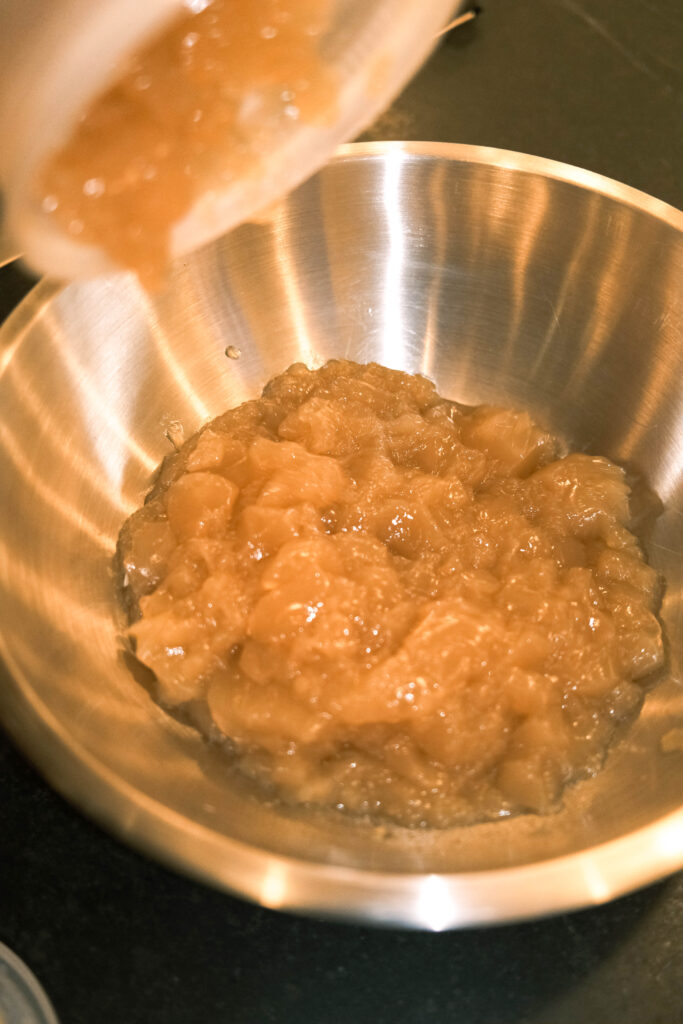
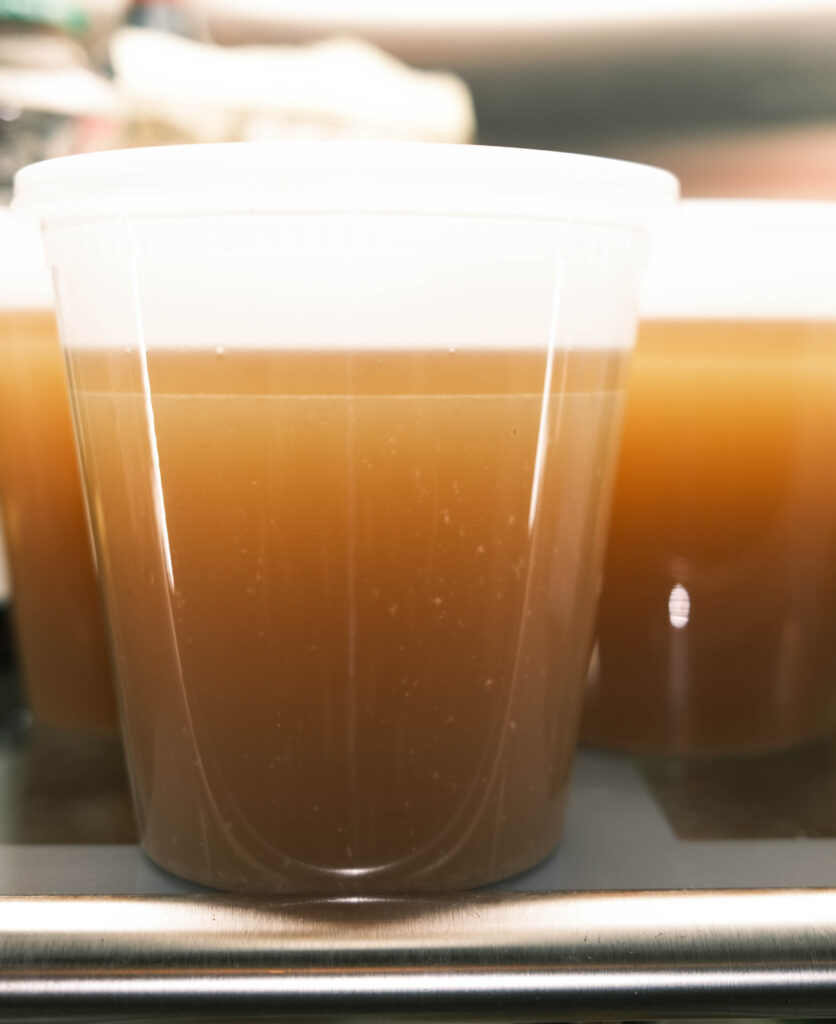
The next morning, you open the fridge and do the jiggle test. If it wobbles like Jell-O, you nailed it. That’s pure gelatin, extracted from the collagen in those bones over all those patient hours.
A few things I want you to know before you start:
- Use a variety of bones. A mix of knuckle, neck, oxtail, and shank gives you the best combination of flavor and gelatin. The marrow cuts add richness and body. Don’t skip them.
- Keep it low and slow. A rolling boil will make your broth cloudy and greasy. You want the surface barely trembling, a lazy bubble. That’s it.
- Don’t season until you’re ready to use it. Unseasoned broth is infinitely more versatile. You can sip it with just flaky salt, use it as a base for soup, braise meat in it, or cook grains in it. Season at the end, not the beginning.
- This is a weekend project, but it’s mostly hands-off. The active time is about 90 minutes, roasting, building the pot, skimming. The rest is just waiting. I usually start it on a Saturday morning and strain it before bed.
Anchovy-Roasted Beef Bone Broth
| Prep: 90m | Cook: 12h | Total: 13h 30m |
The best bone broth I’ve ever made, and the secret is a tin of anchovies. Rubbed onto roasted beef bones before a second trip through the oven, the anchovies caramelize into a sticky, savory crust that dissolves into layers of umami over a long, lazy simmer. It doesn’t taste fishy, it just tastes more like beef than beef bone broth usually does. Jiggly, golden, and endlessly versatile.
Ingredients
- 3 pounds beef bones (a mix of knuckle, neck, oxtail, or shank, variety is key)
- 1 pound bone marrow cuts (about 4 pieces, crosscut into 3-inch sections)
- 6 oil-packed anchovy fillets (one 2-ounce tin)
- 1 tablespoon anchovy oil from the tin
- 1 large yellow onion, peeled and quartered
- 1 whole head of garlic, halved crosswise, skins left on
- 2 tablespoons apple cider vinegar
- 16 cups cold water, enough to cover bones by 2 inches
Instructions
- Preheat your oven to 425°F. Arrange the beef bones, onion, and garlic on a parchment-lined rimmed sheet pan in a single layer, don’t crowd them. Roast for 35–40 minutes, until the bones are deep golden brown with dark caramelized edges. You want real color here, pale bones make pale broth.
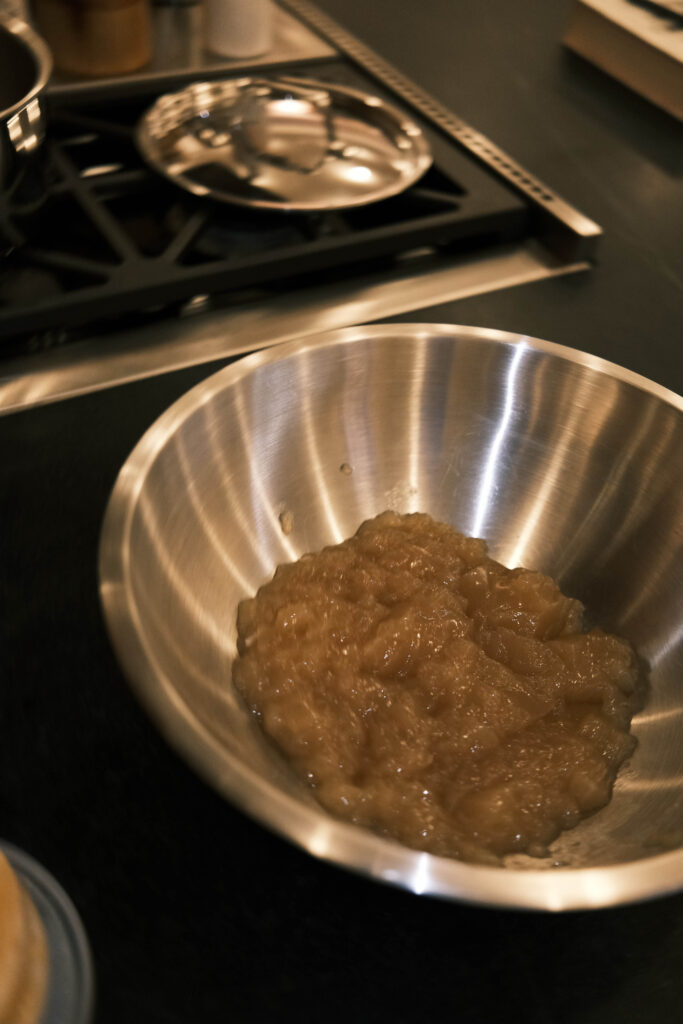
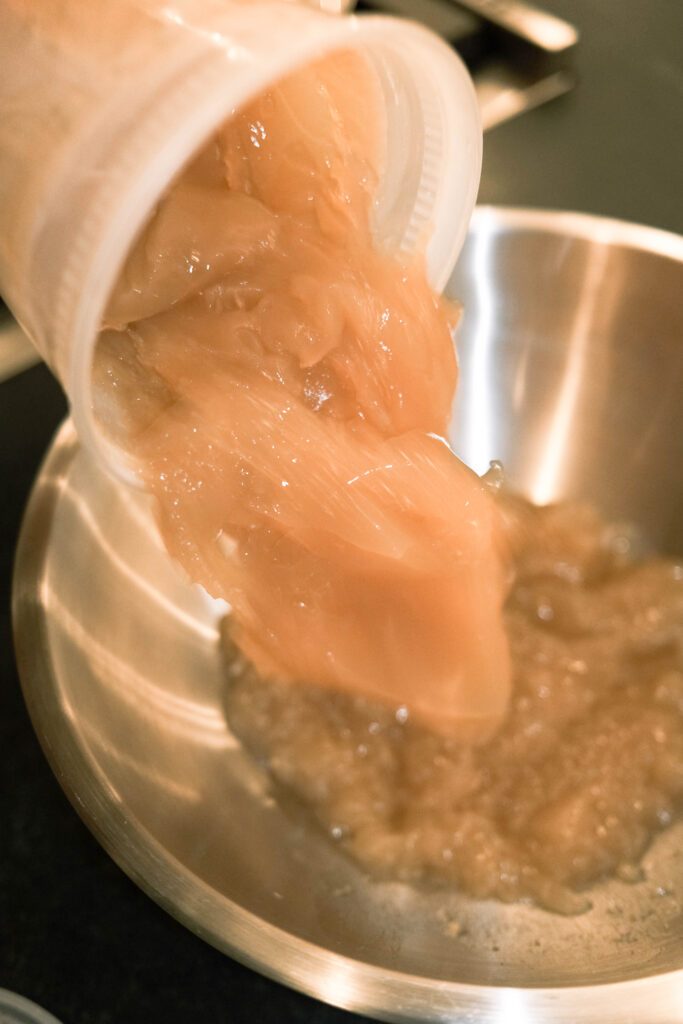
While the bones roast, mash the anchovy fillets with the back of a fork until you have a rough paste. Stir in the tablespoon of anchovy oil to loosen it. You want a spreadable consistency, like a chunky vinaigrette.
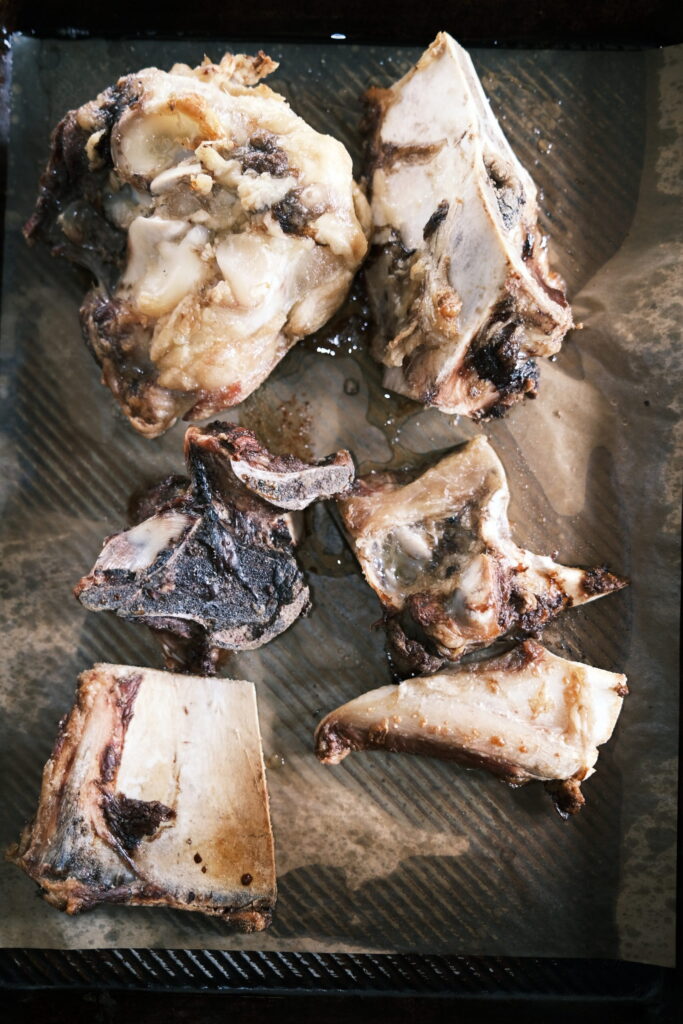
Pull the bones from the oven and reduce the temperature to 400°F. Using the back of a spoon or your hands, rub the anchovy paste all over the bones, getting it into every crevice and joint. It doesn’t need to be perfect, just a thin, uneven coating. Add the marrow cuts to the pan now and give them a light rub of anchovy paste too. Return everything to the oven and roast for another 15–20 minutes. You’re looking for the anchovy to darken and form a sticky, almost lacquered coating on the bones. The onions should be charred at the edges and soft.
Transfer the roasted bones, marrow cuts, onions, garlic, and every bit of rendered fat and caramelized fond from the sheet pan into a large stockpot (7 quarts or larger). Pour a splash of hot water onto the sheet pan and scrape up all the dark sticky bits with a wooden spoon, this is liquid gold. Pour that into the pot too. Add the apple cider vinegar and the cold water. The water should cover the bones by about 2 inches. If it doesn’t, add more.
Set the pot over medium-high heat and bring to a bare simmer. You want lazy bubbles breaking the surface, never a rolling boil. This will take 30–45 minutes. As it heats, a raft of gray-brown foam and scum will rise to the surface. Skim this off with a ladle or large spoon every 15 minutes or so for the first hour. Don’t stress about getting every last bit, but removing the bulk keeps your broth clean and clear.
Once you’ve skimmed the initial foam, reduce the heat to the lowest setting your stove will hold. You want the surface barely trembling with a bubble rising every few seconds. Leave the pot uncovered and let it go for 10–14 hours total, checking occasionally to make sure the liquid stays above the bones. If it reduces too much, add a cup of hot water. The broth will slowly turn from pale gold to deep amber.
Set a fine-mesh strainer over a large bowl or clean pot. Discard the spent bones and vegetables. Let the broth cool for 15-20 minutes, then ladle into clean, 32 ounce deli containers or quart mason jars. Cover and refrigerate until fully chilled.
The next morning, check your broth. It should be jiggly like set Jell-O, that’s pure gelatin, and it means you nailed it. A thick cap of golden fat will have solidified on top. You can lift this off in one piece and save it for roasting vegetables (it’s incredible), or leave it on as a natural seal if you’re storing the broth. Season with flaky sea salt or Kosher salt only when you’re ready to use it, unseasoned broth is more versatile.
Notes
Storage: Broth keeps refrigerated for 5 days or frozen for up to 6 months. Freeze in 2-cup portions, so you can grab exactly what you need for a weeknight dinner. I like to use deli containers.
If your broth doesn’t jiggle: It likely needed more time, or the ratio of water to bones was too high. Next time, use less water or simmer longer. It will still taste incredible, the jiggle is about body, not flavor.
On the anchovies: I use oil-packed fillets from a tin and mash them myself. Anchovy paste from a tube would also work in a pinch. One small tin (about 6 fillets) is all you need for 4–5 pounds of bones.



Rate & Review